

 (833) 569 7223


When most people think about CBD, they think about the finished product. Very few think about where the hemp was grown. But hemp quality starts long before extraction, manufacturing, or packaging. It starts with the soil.
Hemp is a bioaccumulator, meaning it absorbs compounds from the soil and environment where it is grown. That is one reason cultivation standards matter. The quality of the soil, water, and farming practices can directly impact the quality of the hemp used in finished CBD products.

USDA Organic Farming Is More Demanding Than Most People Realize
Many consumers assume USDA Organic simply means a farm avoids certain chemicals. In reality, USDA Organic certification is far more involved.
To become USDA Organic certified, farms must follow strict standards related to:
- Soil management
- Approved farming inputs
- Weed and pest control
- Buffer zones
- Recordkeeping
- Ongoing inspections
- Environmental protections
The land itself must also meet strict requirements. Under USDA Organic standards, land cannot have prohibited substances applied to it for at least three years before crops can be certified organic. (AMS) That means farms transitioning from conventional agriculture often spend years following organic standards before they can officially become certified.
What Surrounds an Organic Farm Also Matters
Most consumers never think about what borders an organic farm, but USDA Organic certification does.Organic farms must use buffer zones and protective measures to help prevent contamination from neighboring land where prohibited substances may be used. (AMS)

That can include:
- Distance buffers
- Natural barriers
- Windbreaks
- Other protective measures
These requirements exist because nearby pesticides, herbicides, and other prohibited substances can drift or run off into surrounding areas.
Organic Farming Often Avoids Conventional Chemical Shortcuts
Conventional farming often uses synthetic pesticides, herbicides, and other chemicals to control weeds, insects, and crop issues.
USDA Organic standards significantly restrict many of these conventional approaches. (USDA)
Instead, USDA Organic farming often relies more heavily on:
- Soil health management
- Crop rotation
- Approved natural inputs
- Preventative farming practices
- Long-term soil stewardship
That is one reason USDA Organic farming is often more labor-intensive and expensive.
Healthy Soil Helps Create Better Starting Material
Healthy soil is one of the foundations of organic farming.
Well-managed soil can help support:

- Stronger plant growth
- Better soil biology
- More sustainable farming practices
- Cleaner starting material
Because hemp absorbs from its environment, many consumers believe cultivation standards matter even more for hemp products.
Not all hemp is grown under the same standards, and not all hemp extracts are created the same way.
Most Consumers Never Think About Extraction
Growing hemp is only part of the process. After hemp is harvested, it must go through extraction in order to create CBD extract.
THC-free broad spectrum products must also go through an additional THC remediation process to remove THC. Most consumers never think about this stage of production, but it matters. Many extraction companies use conventional extraction and remediation methods that are not USDA Organic certified.
At Joy Organics, the extraction and THC remediation process used to create our USDA Organic THC-free broad spectrum oil is also USDA Organic certified. Getting the entire extraction and THC remediation process USDA Organic certified took years of work, inspections, documentation, and compliance.
That is a major difference many consumers are unaware of.

To learn more about USDA Organic standards and extraction processes, read our:
- Ultimate Guide to USDA Organic CBD
- Organic and USDA Organic Are Not the Same
- What Makes Joy Organics the #1 USDA Organic CBD Brand
Why USDA Organic Production Costs More
USDA Organic certification is significantly more demanding and expensive than conventional production methods.
Organic farming often:
- Produces lower crop yields
- Requires more labor-intensive practices
- Limits many conventional shortcuts
- Requires additional inspections and oversight
USDA Organic extraction and THC remediation also require:
- Approved processing methods
- Certified handling procedures
- Ingredient tracing and segregation
- Additional audits and compliance standards
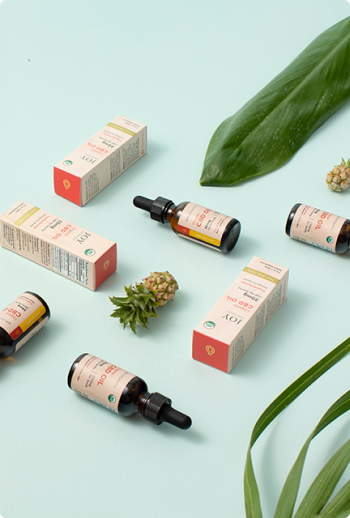
At Joy Organics, the USDA Organic hemp extract we use in our certified organic products costs more than 400% more than non-organic alternatives.
Why would a company willingly invest that much more? Because we believe quality standards matter. We believe consumers deserve transparency about what they are putting into their bodies, and we believe USDA Organic certification provides an additional level of accountability, consistency, and oversight that many consumers value.
Transparency Matters
At Joy Organics, we believe consumers deserve more than marketing claims.
They deserve:
- Transparency
- Accountability
- Trustworthy standards
- Clear sourcing information
That is why we continue investing in USDA Organic farming, extraction, THC remediation, and production standards. To learn more about how we produce our USDA Organic products, visit Our Process, which outlines our 6-step organic process from seed to shelf.

Frequently Asked Questions
What is a bioaccumulator?
A bioaccumulator is a plant that absorbs compounds from the soil and environment where it is grown.
Why does soil quality matter for hemp?
The quality of the soil, water, and cultivation practices can directly impact the quality of the hemp used in finished CBD products.
How long must land be free from prohibited substances before becoming USDA Organic certified?
Under USDA Organic standards, land generally cannot have prohibited substances applied for at least three years before crops can be certified organic. (AMS)
Do nearby farms matter for USDA Organic certification?
Yes. USDA Organic farms often require buffer zones or protective measures to help prevent contamination from neighboring land where prohibited substances may be used. (AMS)
Does conventional farming use pesticides and herbicides?
Conventional farming may use synthetic pesticides, herbicides, and other chemicals to control weeds, insects, and crop issues. USDA Organic standards significantly restrict many of these substances. (USDA)
Why does the extraction process matter?
After hemp is harvested, it must go through extraction and, in the case of THC-free broad spectrum products, THC remediation. These processes help create the final CBD extract used in finished products.
Is Joy Organics’ extraction and THC remediation process USDA Organic certified?
Yes. The extraction and THC remediation process used to create our USDA Organic THC-free broad spectrum oil is USDA Organic certified.
Are all Joy Organics products USDA Organic certified?
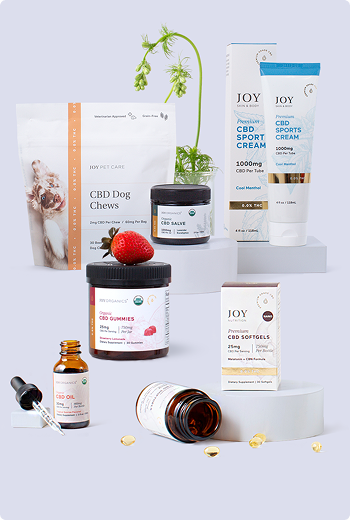
No. Many Joy Organics products are USDA Organic certified, but some products contain ingredients that are not currently approved for USDA Organic certification.
Why does Joy Organics invest so heavily in USDA Organic certification?
We believe consumers deserve transparency, accountability, and trustworthy standards regarding the products they use every day.






Join in on the Conversation
Your email address will not be published. Once your comment is approved, it will be published.