(833) 569 7223


CBG Oil: Benefits, Uses & How to Choose
By Todd Smith, Co-Founder of Joy Organics
Scientifically reviewed by Dr. Jill Palko, OB-GYN — Last reviewed: June 2026

CBG oil is a hemp-derived extract containing cannabigerol (CBG) as its primary cannabinoid, typically suspended in a carrier oil like MCT oil for sublingual use. It's non-intoxicating, federally legal under the 2018 Farm Bill, and available in full spectrum, broad spectrum, and isolate formulations. This guide covers what CBG oil is, what the research shows, how to use it, and what to look for when buying.
What Is CBG Oil?
CBG oil is essentially the same product as a CBG tincture — the terms are used interchangeably in the hemp industry. "Oil" typically refers to the format (liquid, delivered by dropper) rather than implying a specific extraction method.
The key ingredient is CBG (cannabigerol), the "mother cannabinoid" that hemp plants produce early in their growth cycle as the precursor to CBD, THC, and other cannabinoids. By harvest time, very little CBG remains in the plant — less than 1% of dry weight in most varieties — which makes CBG oil more expensive to produce per milligram than CBD oil.
A quality CBG oil will clearly state:
- Milligrams of CBG per serving and per bottle
- Spectrum type (full spectrum, broad spectrum, or isolate)
- Carrier oil used (MCT oil is most common; hemp seed oil is also used)
- Certificate of Analysis (COA) from an independent lab
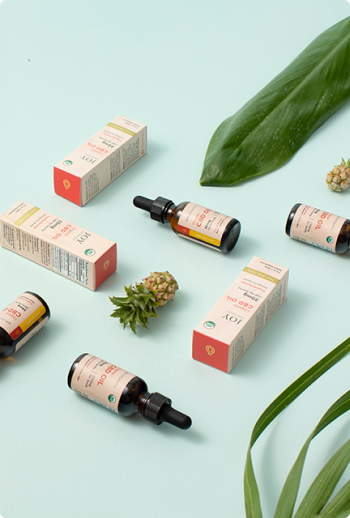
See Joy Organics' USDA Organic CBG Tincture →
CBG Oil vs CBD Oil: Key Differences
Both are hemp-derived liquid extracts delivered sublingually, interacting with the body's endocannabinoid system through cannabinoid receptors. The difference is which cannabinoid is the primary active ingredient and how that cannabinoid interacts with the body.
CBD oil is more abundant (CBD is 15–25% of mature hemp by dry weight), more studied, and lower cost per milligram. It works primarily by modulating the endocannabinoid system indirectly.
CBG oil is rarer (CBG is typically <1% of mature hemp by dry weight), newer to clinical research and more expensive. CBG binds CB1 and CB2 cannabinoid receptors more directly than CBD and may also interact with GABA pathways and alpha-2 adrenoceptors, giving it a distinct receptor profile and potential health benefits.
Many people use both — either as a combined product (full spectrum CBG oil naturally contains CBD as well) or as separate products taken at different times, leveraging the potential benefits of each substance within the body's endocannabinoid system.
What Does CBG Oil Do? What CBG Research Shows
CBG oil's effects come primarily from CBG's interaction with the body's endocannabinoid system (ECS), which plays a role in regulating the immune system and brain cells. Early stages research has identified several areas of interest:
Neuroprotection: A 2015 study found CBG reduced neurodegeneration and improved motor function in a mouse model of Huntington's disease. [1]
Antibacterial activity: A 2020 study found CBG effective against MRSA (a drug-resistant bacteria), including biofilm-forming strains, through a mechanism distinct from conventional antibiotics. [2]
Appetite stimulation: A 2016 rodent study found CBG significantly increased food intake in pre-satiated rats — the most robustly documented preclinical effect of CBG. [3]
Digestive support: A 2013 study found CBG reduced inflammatory markers in a mouse model of inflammatory bowel disease. [4]
Stress response support: CBG's interaction with alpha-2 adrenoceptors and potential GABA reuptake inhibition provide a mechanistic basis for the calm, grounded effect users commonly report. [5]
Important: All findings above are from preclinical research (animal models and cell cultures). CBG oil is not an FDA-approved treatment for any condition, and more research is needed to confirm the potential benefits of CBG and its effectiveness. These products are not intended to diagnose, treat, cure, or prevent any disease.
Full Spectrum vs Broad Spectrum vs CBG Isolate Oil
Full spectrum CBG oil contains CBG alongside CBD, trace THC (under 0.3%), and the hemp plant's naturally occurring terpenes and minor cannabinoids. This is the format most consistent with the entourage effect hypothesis — the idea that hemp compounds work more effectively in combination. Joy Organics' CBG tincture is full spectrum.
Broad spectrum CBG oil contains CBG and CBD with THC removed. An option for people who want multiple cannabinoids without any THC exposure.
CBG isolate oil contains only CBG in a carrier oil, with all other hemp compounds removed. Provides precise, single-cannabinoid dosing but forgoes any entourage effect.
For most people, full spectrum is the recommended starting point — the trace THC content is too low to produce any intoxication or psychoactive effects, and the full plant profile, including its cannabigerolic acid and other cannabinoids and terpenes, is likely to produce more complete results and maximize potential CBG benefits for health than a single extracted compound.
How to Use CBG Oil
Method: Oral Use
Take the recommended serving directly or mix it into your favorite beverage. If taken by mouth before swallowing, many people report noticing effects within 15–45 minutes, while capsules and other swallowed products may take 45–90 minutes due to normal digestive processing. Individual experiences and timing may vary.
Timing
Most users take CBG oil in the morning as part of a daytime wellness routine. CBG's preclinical effect profile — increased appetite, nervous system calm, mental clarity — is generally associated with daytime rather than sleep support. If you're looking for sleep support, CBD + CBN products are more targeted.
See CBD Sleep Gummies with CBN →
Starting Serving Size
There is no official FDA-recommended serving size for CBG. Start with smaller quantities, such as the manufacturer's suggested serving (typically 5–15mg CBG) and hold that amount for 1–2 weeks before adjusting. Keep a brief log of timing, amount, and how you feel — this makes it much easier to find the right serving size for you.
Consistency
Like most wellness supplements, CBG oil produces more defined effects with consistent daily use over several weeks than as an occasional dose. Many users report that the effects become more apparent after 2–4 weeks of regular use.
What to Look for When Buying CBG Oil
With a growing number of CBG products on the market, quality varies significantly. These are the non-negotiables:
Certificate of Analysis (COA)
The single most important thing to verify. An independent lab COA confirms: CBG potency per serving, presence of other cannabinoids (important for spectrum claims), and absence of contaminants including pesticides, heavy metals, residual solvents, and microbials, which helps protect patients from potential side effects and concerns. The COA should be batch-specific — not a generic document. Joy Organics publishes COAs for every product batch. View our lab results →
USDA Organic Certification
Hemp is a bioaccumulator — it absorbs compounds from its growing environment, including pesticides and heavy metals from soil. USDA-certified organic hemp is grown under federal standards that prohibit synthetic pesticides and herbicides, reducing the risk of those compounds appearing in the finished product. Joy Organics is one of a small number of CBD/CBG brands with full USDA organic certification.
Milligrams of CBG per Serving
The label should clearly state CBG mg per serving, not just "total cannabinoids." CBG is expensive to produce; some products use the CBG name but contain mostly CBD with only trace CBG. The COA will tell you the truth.
Carrier Oil
MCT oil (derived from coconut) is the most common and most studied carrier for oral hemp extract. It has a neutral taste and high bioavailability. Hemp seed oil is sometimes used and has its own nutritional benefits, but it has a more pronounced flavor. Both are good options.
Extraction Method
CO2 extraction is the industry standard for producing clean, solvent-free hemp extract. Avoid products that don't disclose their extraction method.
Is CBG Oil Safe?
CBG is generally well-tolerated at commercial serving sizes. Key points:
Drug interactions: CBG, like CBD, is metabolized by CYP450 liver enzymes. This means it may interact with certain prescription medications processed by the same pathway — including some blood thinners, antiepileptics, and immunosuppressants. Consult a physician before using CBG oil if you take prescription medications.
Appetite effects: The most reliably documented preclinical effect of CBG is appetite stimulation. This is neutral or positive for most people but worth noting if managing food intake is a health priority.
Third-party testing: Buy only from brands that provide verifiable, batch-specific COAs from accredited laboratories. This is the primary safety check available to consumers in a market that is less regulated than pharmaceuticals.
CBG Oil Frequently Asked Questions
What is CBG oil good for?
CBG oil is used for daytime wellness support — calm focus, stress response, and physical recovery. Research in animal models and several studies has also identified potential in neuroprotection, antibacterial activity, and appetite stimulation. It is not an FDA-approved treatment for any condition.
How is CBG oil different from hemp oil?
"Hemp oil" (or hemp seed oil) is pressed from hemp seeds and contains no significant cannabinoids — it's primarily a nutritional oil rich in omega fatty acids. CBG oil is made from hemp flower extract and contains cannabigerol as the primary active compound. They are fundamentally different products.
Does CBG oil work like CBD oil?
CBG oil and CBD oil both interact with the body's endocannabinoid system, which regulates various physiological functions, but through different mechanisms. CBD works indirectly; CBG works by binding CB1 and CB2 receptors more directly and also influences GABA uptake and alpha-2 adrenergic receptors. Many users describe the effects as complementary — CBD for general calm and ease, CBG for more focused, grounded clarity. A full spectrum product includes both.
How much CBG oil should I take?
Start by taking CBG as per the manufacturer's suggested serving (typically 5–15mg CBG) and assess over 1–2 weeks before adjusting. There is no official serving size recommendation from the FDA. Consult a healthcare provider for personalized guidance, especially if you are pregnant, a breastfeeding individual, or managing symptoms related to blood pressure, pain, anxiety or mood.
Is CBG oil legal?
Yes. CBG oil derived from hemp containing less than 0.3% THC is federally legal in the United States under the 2018 Farm Bill. State laws vary — check your state's current regulations.
Will CBG oil show up on a drug test?
Unlike THC and marijuana, CBG itself is unlikely to trigger a positive drug test. However, full spectrum CBG oil contains trace amounts of THC (under 0.3%) that can accumulate with regular use and may be detectable by sensitive tests. If you are subject to drug testing, choose a broad spectrum or isolate formulation.
The Bottom Line
CBG oil is a well-reasoned addition to a hemp wellness routine — particularly for people who have used CBD and want to expand their cannabinoid profile, or who are specifically interested in CBG's distinct receptor interactions for daytime support. The most important purchase decision is quality: a USDA certified organic product with a verifiable batch-specific COA and clearly stated CBG content per serving.
Shop Joy Organics Organic CBG Tincture →
These statements have not been evaluated by the Food and Drug Administration. These products are not intended to diagnose, treat, cure, or prevent any disease. Consult a healthcare provider before adding any new supplement to your routine.
Sources
- Valdeolivas S, et al. "Neuroprotective Properties of Cannabigerol in Huntington's Disease." Neurotherapeutics. 2015;12(1):185–199. https://www.ncbi.nlm.nih.gov/pmc/articles/PMC4322067/
- Farha MA, et al. "Uncovering the Hidden Antibiotic Potential of Cannabis." ACS Infectious Diseases. 2020;6(3):338–346. https://pubs.acs.org/doi/10.1021/acsinfecdis.9b00419
- Brierley DI, et al. "Cannabigerol is a Novel, Well-Tolerated Appetite Stimulant in Pre-Satiated Rats." Psychopharmacology. 2016;233(19-20):3603–3613. https://pubmed.ncbi.nlm.nih.gov/27563840/
- Borrelli F, et al. "Beneficial Effect of the Non-Psychotropic Plant Cannabinoid Cannabigerol on Experimental Inflammatory Bowel Disease." Biochemical Pharmacology. 2013;85(9):1306–1316. https://pubmed.ncbi.nlm.nih.gov/23415610/
- Cascio MG, et al. "Evidence That the Plant Cannabinoid Cannabigerol Is a Highly Potent Alpha-2-Adrenoceptor Agonist." British Journal of Pharmacology. 2010;159(1):129–141. https://www.ncbi.nlm.nih.gov/pmc/articles/PMC2823359/