(833) 569 7223


CBD Oil vs Tincture: Is There Actually a Difference?
By Todd Smith, Co-Founder of Joy Organics
Last reviewed: June 2026

In everyday conversation and marketing, "CBD oil" and "CBD tincture" are used interchangeably. Technically, they're different formulations — but in practice, the distinction has mostly collapsed. So, what is the main difference, and which one is right for you?
Here's what the terms historically meant, how the industry uses them today, and what actually matters when you want to choose the best CBD product for your wellness needs and lifestyle.
The Technical Difference Between Oils and Tinctures
CBD tincture (traditional definition): A plant extract made by soaking hemp plant material in an alcohol solvent (typically ethanol or a food-grade, high-proof alcohol). Alcohol acts as the solvent and a preservative, helping to extract CBD and other cannabinoids as well as plant compounds. Traditional herbal tinctures have used alcohol for centuries.
CBD oil (technical definition): A CBD extract obtained through various extraction methods, often CO2 extraction, diluted in a carrier oil — most commonly MCT oil (from coconut), hemp seed oil (from the hemp plant), or fractionated olive oil. No alcohol content involved.
How the Industry Actually Uses These Terms Today
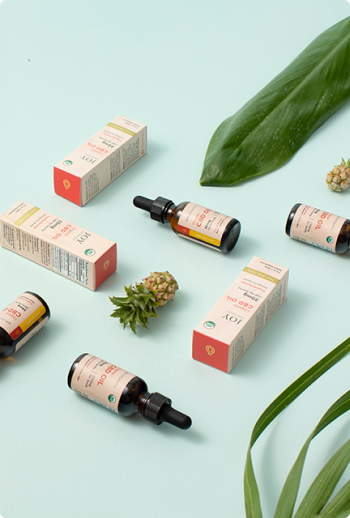
In the modern CBD market, "CBD oil" and "CBD tincture" almost universally refer to the same product: CBD hemp extract in a carrier oil, such as coconut oil or MCT oil, dispensed via a dropper for oral use. Both words describe the small dropper bottles you find on CBD brand websites.
The traditional CBD tinctures as alcohol-based extracts of the hemp plant are rare in the CBD market. When brands say "tincture," they almost always mean an oil-based product, with various formulations including full spectrum, broad spectrum, or CBD isolate (pure CBD). The terms are functionally synonymous in retail hemp.
Does the Oil vs. Alcohol Base Matter?
If you do encounter an actual alcohol-based CBD tincture (rather than an oil-based product), there are a few practical differences:
| Oil-Based (CBD Oil) | Alcohol-Based (True Tincture) | |
|---|---|---|
|
Oral onset |
15–45 min |
Similar |
|
Taste |
Oil — neutral to earthy |
Sharper, bitter taste, alcohol burn |
|
Shelf life |
12–24 months |
Often longer (alcohol preserves) |
|
Common in CBD market |
Yes |
Rare |
|
Best for |
Daily use |
Some prefer for precision usage |
For the vast majority of consumers, this distinction doesn't practically matter — almost all products sold as either "CBD oil" or "CBD tincture" are oil-based.
What Actually Matters When Choosing
Whether it says "CBD oil" or "CBD tincture" on the label is cosmetic. What genuinely matters:
Spectrum type: Full spectrum (trace THC, full entourage effect) vs. broad spectrum (THC-free, partial entourage effect) vs. isolate (CBD only). See Full Spectrum CBD Oil→
Potency: The CBD milligrams per bottle and per serving. A 1000mg/30ml bottle delivers ~33mg per full dropper. Match potency to your serving size needs.
USDA organic certification: The only independently verified standard for organic claims in the CBD industry. See Organic CBD Oil →
Third-party COA: Confirms actual potency and screens for contaminants such as heavy metals. Batch-specific, not generic.
Carrier oil: MCT oil is the most common and well-tolerated. Hemp seed oil carriers add omega fatty acids but have different shelf stability profiles. Some people prefer olive oil-based for digestive comfort.
Nano-emulsification: Some brands use nanoemulsion technology to create smaller CBD particles that may absorb more efficiently. Worth noting but not a primary decision factor.
Joy Organics CBD Oil / CBD Tinctures
Joy Organics uses both terms to describe the same product type — oil-based hemp extract in a dropper bottle. Available in full spectrum and broad spectrum (THC-free), multiple potencies, USDA-certified organic, CO2 extracted through a clean extraction process, nano-emulsified for enhanced absorption rate, batch-specific COA.
Frequently Asked Questions
Is CBD oil the same as CBD tincture?
In practice, yes — the industry uses these terms interchangeably for oil-based CBD dropper products. Technically, a true tincture uses an alcohol base, which acts as a natural preservative and solvent, but this is rare in the CBD market.
Both formats can be mixed into drinks or food, and when taken orally, tinctures and oils bypass the digestive system, allowing for a faster onset time. If you're just starting with these products, consult a healthcare professional on how to use CBD oil and tincture, or if you take certain medications.
Is CBD tincture better than CBD oil?
Not meaningfully. The spectrum type (both products can use full spectrum, broad spectrum, or CBD isolate), potency, organic certification, and COA verification matter far more than whether it says "tincture" or "oil" on the label.
Why do some brands call it a tincture and others call it oil?
Brand convention and marketing preference. There's no regulatory distinction between the two terms in the hemp supplement market.
The Bottom Line
CBD oil and CBD tincture describe the same product in the modern hemp market. The word on the label doesn't affect what's inside. Focus your evaluation on spectrum type, potency, organic certification, and COA verification — those are the factors that actually determine quality and effectiveness.
Shop Joy Organics CBD Oil / Tinctures →
These statements have not been evaluated by the Food and Drug Administration. These products are not intended to diagnose, treat, cure, or prevent any disease.