(833) 569 7223


CBG for Muscle Recovery & Support
By Todd Smith, Co-Founder of Joy Organics
Scientifically reviewed by Dr. Jill Palko, OB-GYN — Last reviewed: June 2026

CBG (cannabigerol) is increasingly used by active people and athletes as part of a post-activity recovery routine. The scientific rationale comes from CBG's interaction with CB2 cannabinoid receptors — found in high concentrations throughout muscle tissue and the immune system — and its preclinical anti-inflammatory properties. This page covers what the research shows, how CBG fits into a recovery routine, and what to look for in a product.
Why People Use CBG for Post-Workout Recovery
Physical activity — particularly strength training, endurance exercise, and high-intensity work — creates acute stress on muscle tissue. The human body's recovery process involves inflammation response, muscle protein synthesis, and nervous system restoration. Adequate recovery is what allows adaptation and performance improvement over time.
CBG's relevance to recovery comes from several angles:
CB2 receptor activity in muscle and immune tissue. CB2 receptors are concentrated in immune tissue throughout the body, including in skeletal muscle, and play a role in various physiological processes. Physical activity triggers local inflammatory signaling that involves these same immune pathways within the central nervous system. CBG's direct binding to CB2 receptors puts it in contact with exactly the tissue involved in post-exercise recovery, potentially influencing the endocannabinoid system and maintaining homeostasis.
Preclinical anti-inflammatory evidence. A 2013 study found CBG reduced inflammatory markers and oxidative stress in a mouse model of inflammatory bowel disease. [1] While gut inflammation and muscle inflammation involve different tissues and triggers, the underlying pathways — particularly CB2 receptor-mediated immune signaling — overlap.
Potential GABA interaction. Physical exertion activates the nervous system significantly. CBG's proposed interaction with GABA reuptake pathways may contribute to nervous system recovery — the return to baseline tone after intense activity.
Muscle tension and physical calm. Users consistently report a reduction in physical tension with CBG, which may reflect its CB2 activity in muscle tissue and its ECS-mediated effects on nervous system tone.
What the Research Shows
CBG's recovery-specific research is limited to preclinical settings. Here's what's available:
Inflammation response: The 2013 Borrelli study found CBG attenuated colon inflammation, reduced nitric oxide production (an inflammatory mediator), and decreased oxidative stress markers in mice with induced colitis. [1] The researchers attributed these effects to CBG's CB2 receptor binding and antioxidant activity.
Neuroprotection and oxidative stress: The 2015 Valdeolivas study found CBG reduced oxidative stress markers in a neurological disease model, consistent with antioxidant properties that may be relevant to exercise-induced oxidative stress. [2]
CB2 receptor activity: CB2 receptor activity: CBG's direct CB2 receptor binding is the most mechanistically relevant finding for recovery applications. CB2 receptors regulate immune cell recruitment and inflammatory cytokine signaling — the processes involved in the acute inflammation that follows intense exercise and contributes to symptoms such as muscle stiffness and discomfort. [3]
What this doesn't mean: None of this research was conducted in an exercise recovery context, and extrapolating animal model results to human athletic recovery or sports recovery should be done cautiously. CBG is not an approved treatment for any condition, and it is not a substitute for adequate sleep, nutrition, rest, or a balanced fitness routine in a recovery protocol.
CBG vs CBD Products for Recovery: How They Compare
Both CBD and CBG are used in recovery contexts, and many recovery-focused hemp products combine them. Here's how they differ:
CBD works primarily through indirect ECS modulation, 5-HT1A serotonin receptor interaction, and TRPV1 receptor interaction (a channel involved in heat and inflammation signaling). CBD's recovery-relevant research is more extensive than CBG's, particularly in the area of sleep quality — and sleep is the primary driver of physical recovery, exercise performance, and mood regulation.
CBG acts more directly at CB2 receptors in immune and muscle tissue, may have more targeted anti-inflammatory action through this pathway, and has the additional potential GABA interaction relevant to nervous system recovery.
CBD/CBG Together: A full spectrum CBG product naturally contains both CBG and CBD, allowing both mechanisms to operate simultaneously, contributing to the entourage effect. This is the most comprehensive approach for recovery support and improving mobility.
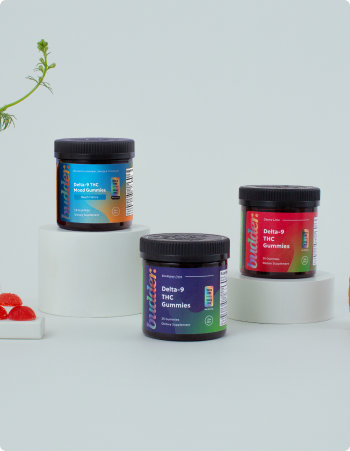
For sleep specifically — which is where the majority of physical recovery happens — a CBD + CBN product taken in the evening is a more targeted choice. Many active users pair a CBG tincture during the day with CBD sleep gummies at night for complete coverage. Shop CBD Sleep Gummies with CBN→
How to Use CBG for Recovery
Timing options:
Pre-workout: Some users take CBG before activity, reasoning that pre-loading CB2 receptors may blunt the intensity of the post-exercise inflammatory response and influence pain perception. There's no clinical evidence specifically supporting pre-workout CBG timing or its effectiveness in athletic performance.
Post-workout: More common. Taken within an hour of finishing activity, when inflammatory signaling is peaking, and the recovery process is beginning.
Daily maintenance: For people training consistently, daily CBG use may provide more consistent recovery support than situational use. Consistent daily supplementation with compounds from the hemp plant is generally associated with more defined effects than occasional usage.
Serving size: Start with the manufacturer's recommended serving (typically 10–30mg CBG for a tincture). There is no FDA-established serving size. Adjust based on your response over 2–4 weeks.
Format: An oral CBG tincture is the fastest-onset option for recovery use, with effects beginning in 15–45 minutes. A full spectrum CBG tincture naturally contains CBD alongside CBG, making it the most complete single-product option for recovery support.
Building a Recovery Stack with CBG
For active people who want comprehensive cannabinoid recovery support:
During the day / post-workout: Full spectrum CBG tincture (CBG + CBD + trace THC) for CB2-mediated inflammation support and nervous system recovery.
Evening / pre-sleep: CBD + CBN gummies or tincture for sleep quality support — where the majority of physical recovery and muscle protein synthesis occur.
Consistency: Both products work best with daily use over time rather than situational usage on hard training days only.
Shop CBD Sleep Gummies with CBN→
What to Look for in a CBG Recovery Product
Verified CBG content. Check the COA to confirm mg of CBG per serving. Products that list "total cannabinoids" without breaking out CBG may contain mostly CBD with trace CBG.
Full spectrum formulation. A full spectrum product delivers CBG and CBD together, consistent with the entourage effect. For recovery purposes, you want both CB2 receptor (CBG) and broader ECS modulation (CBD) working together for enhanced effects.
USDA organic certification. You're taking this product regularly as part of a health and performance routine. USDA certified organic hemp means no synthetic pesticide residue in what you're consuming. Joy Organics is USDA certified organic.
Third-party tested. COA from an independent accredited lab confirms potency and contaminant screening. Joy Organics publishes batch-specific COAs. View lab results →
Frequently Asked Questions
Does CBG help with muscle recovery?
CBG's CB2 receptor binding in muscle and immune tissue, along with its preclinical anti-inflammatory properties, provides a mechanistic basis for recovery support. Human clinical trials in an exercise context haven't been conducted. CBG is not an FDA-approved treatment and should complement — not replace — adequate sleep, nutrition, and rest.
Is CBG or CBD better for recovery?
Both are relevant, and they're most effective used together. CBD has more recovery-related human research, particularly for sleep quality. CBG's CB2 receptor binding is more directly targeted to the inflammatory signaling involved in post-workout recovery. A full spectrum CBG product delivers both.
Can I take CBG before a workout?
Yes. CBG is non-intoxicating and won't impair performance or coordination. Some users take it pre-workout; others prefer post-workout timing. Either is reasonable — individual preference and response should guide your choice.
Will CBG help with soreness after exercise?
CBG's CB2 activity and anti-inflammatory properties in preclinical research are consistent with potential benefit for exercise-related soreness, but there are no human clinical trials specifically measuring this outcome. User experience is generally positive, but individual results vary.
Does CBG interact with sports supplements?
CBG is not known to interact with common sports supplements (protein, creatine, caffeine, branched-chain amino acids). If you take any prescription medications, consult a healthcare professional before adding CBG, as it may interact with drugs processed by CYP450 liver enzymes.
The Bottom Line
CBG's CB2 receptor activity, preclinical anti-inflammatory evidence, and nervous system effects make it a scientifically grounded addition to a recovery protocol — not a replacement for sleep and nutrition, but a meaningful complement. For the most complete approach, combine a daily full spectrum CBG tincture with CBD + CBN products for sleep support in the evening.
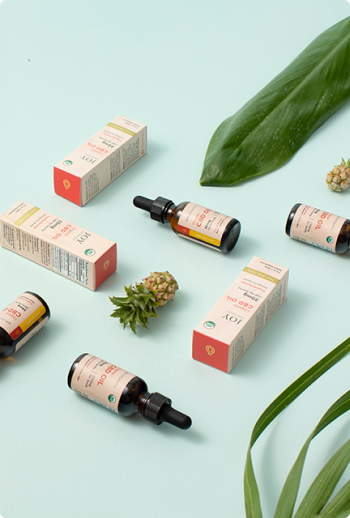
Shop Joy Organics Organic CBG Tincture →
Shop CBD Sleep Gummies with CBN →
These statements have not been evaluated by the Food and Drug Administration. These products are not intended to diagnose, treat, cure, or prevent any disease. They are not intended as a substitute for medical treatment or as performance-enhancing substances. Consult a healthcare provider before adding any new supplement to your routine.
Sources
- Borrelli F, et al. "Beneficial Effect of the Non-Psychotropic Plant Cannabinoid Cannabigerol on Experimental Inflammatory Bowel Disease." Biochemical Pharmacology. 2013;85(9):1306–1316. https://pubmed.ncbi.nlm.nih.gov/23415610/
- Valdeolivas S, et al. "Neuroprotective Properties of Cannabigerol in Huntington's Disease." Neurotherapeutics. 2015;12(1):185–199. https://www.ncbi.nlm.nih.gov/pmc/articles/PMC4322067/
- Atwood BK, Mackie K. "CB2: A Cannabinoid Receptor with an Identity Crisis." British Journal of Pharmacology. 2010;160(3):467–479. https://www.ncbi.nlm.nih.gov/pmc/articles/PMC2931561/